
Global superstars BTS are facing growing backlash in South Korea following reports that their upcoming comeback performance will include a symbolic entrance along a historic royal route.
According to planning documents submitted by Hybe, the group is expected to begin their March 21 comeback event inside Gyeongbokgung Palace before proceeding toward Gwanghwamun Square along a central axis historically known as the “King’s Path.”
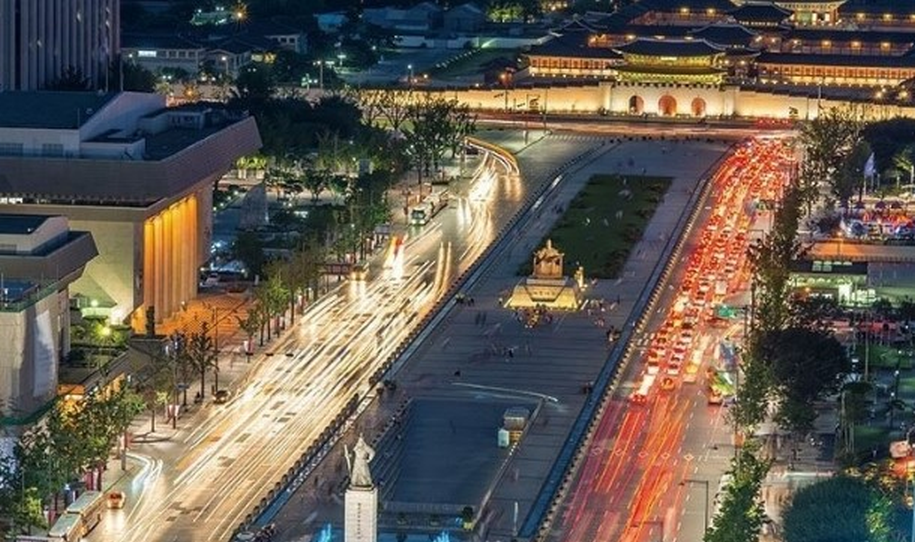
The route — traditionally reserved for monarchs during the Joseon Dynasty — is being incorporated into the show’s opening sequence, aligning with the cultural and historical themes of BTS’s new album Arirang.
Reports from Korean media, including broadcast coverage, have described the entrance as a processional-style walk through palace gates toward the main stage, further fueling public debate.
Critics argue that using royal symbolism in a modern pop concert — especially at a location deeply tied to Korea’s democratic history — could be seen as inappropriate or tone-deaf. Gwanghwamun Square has long been a site of major civic movements and public protests, adding sensitivity to the staging concept.
Online reactions have been sharply divided. Some commentators questioned whether the imagery suggests elevating pop stars to royal status, while others dismissed the criticism as overblown and emphasized BTS’s intent to celebrate Korean culture on a global stage.
Supporters also point out that the entire comeback project — including the album title Arirang — is rooted in themes of heritage, identity and national symbolism, making the use of historical settings and motifs a deliberate artistic choice.
As of now, neither BTS nor Hybe has directly addressed the controversy surrounding the “King’s Path” concept.
With the concert set to be streamed globally and expected to draw massive crowds in central Seoul, the debate highlights the intense scrutiny surrounding every aspect of BTS’s long-awaited return.