
Rooms in popular districts sold out within hours, and many properties increased their rates — in some cases up to 10 times normal pricing.
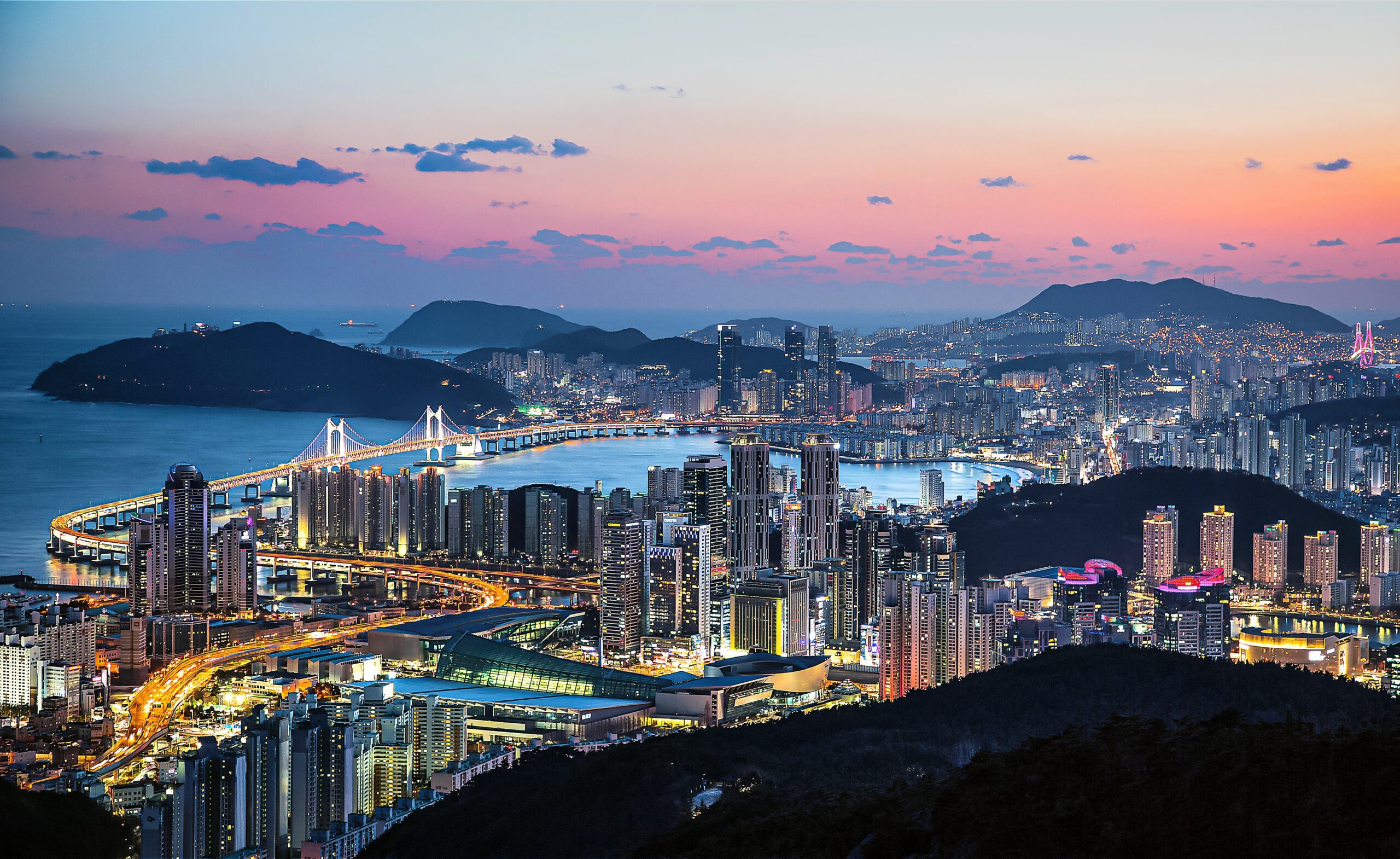
With BTS’s highly anticipated world tour stop in Busan set for June 12–13 — marking both the group’s reunion and a hometown celebration for Busan natives Jimin and Jungkook — the city is grappling with a growing hotel price controversy that has provoked government action and widespread fan frustration.
As soon as the BTS concert dates were announced, accommodation demand surged dramatically. Rooms in popular districts like Haeundae, Gwangalli, Dongnae and Gijang sold out within hours, and many properties increased their rates — in some cases up to 10 times normal pricing. Five-star hotels that recently listed around ₩330,000 per night were charging well over ₩1 million during the concert window, while mid-range and even budget lodgings saw similar dramatic hikes.
Reports from fans and travel platforms also surfaced showing hotels allegedly asking guests to cancel existing reservations so rooms could be resold at premium prices — a practice that has drawn sharp criticism online.
Busan Government Introduces New Measures to Tackle Price Gouging
In response to the backlash, the Busan city government has launched several official countermeasures aimed at curbing unfair accommodation practices. Starting recently, the city deployed a QR-based reporting system that allows both domestic and international visitors to flag suspected price gouging directly to authorities. Reports go through the Korea Tourism Organization and are forwarded to district offices for follow-up investigations.
Officials have distributed informational posters and stickers about the system at hotels and guesthouses and posted details on the city’s official channels. Starting this week, joint inspection teams with district offices will conduct on-site checks of accommodations flagged via reports and monitor compliance with consumer protection standards.
If inspectors confirm unfair practices — such as excessive pricing or failure to honor bookings — these violations could be reflected in official hotel rating evaluations, impacting future business credibility.
Higher-Level Calls for Enforcement and Penalties
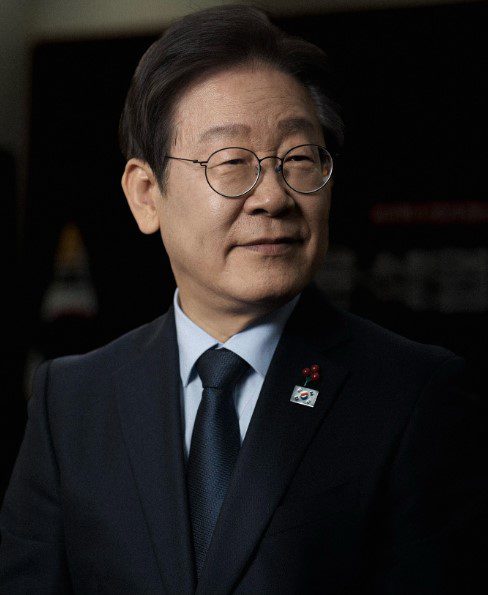
The issue has drawn attention beyond local authorities. President Lee Jae-myung publicly criticized what he described as “malicious exploitation” that can disrupt market order and harm travelers, emphasizing that violations should incur consequences that outweigh any unfair profits.
Under South Korea’s Public Health Control Act, accommodation providers are legally required to adhere to the rates they advertise, and violations can result in fines or imprisonment — though critics say existing laws are limited in directly addressing steep price increases driven by demand spikes alone.
Fan Frustration and Tourism Impact
For many ARMY planning travel to Busan, the steep price hikes have been disheartening. Online fan communities are filled with screenshots of dramatically inflated rate calendars and accounts of cancelled bookings that later reappear at significantly higher costs.
Local tourism advocates acknowledge that high demand during major events has historically pressured hotel markets, but Busan’s efforts to promote equitable pricing and disperse booking demand — including sharing information about alternative accommodation clusters with easy transit access once the venue is confirmed — aim to alleviate some of the strain.
As the countdown to BTS’s Busan shows continues, how effective these measures will be in balancing market dynamics and fan expectations remains to be seen. What is clear is that the economic ripple effects from BTS’s global popularity — particularly on Jimin and Jungkook’s home turf — are already profoundly shaping Busan’s tourism landscape long before the first note of Arirang is performed live.