
BTS member Jung Kook has once again become the target of a disturbing stalking incident, underscoring growing concerns about idol safety as the group prepares for its long-awaited return in 2026.
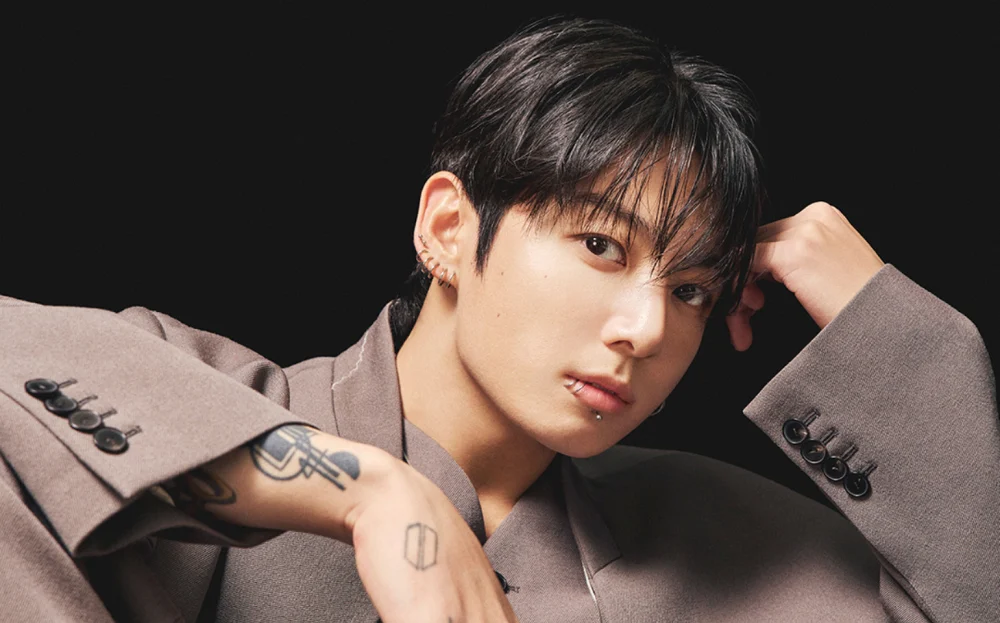
On January 4, 2026, South Korean media reported that the Seoul Yongsan Police Station arrested a Brazilian woman in her 30s for violating the Act on the Punishment of Crime of Stalking. The woman, identified only as Ms A, is accused of approaching Jung Kook’s residence in Yongsan-gu and causing a disturbance by throwing mail onto the property.
According to police sources, this was not Ms A’s first offense.
Authorities confirmed that the woman had already been arrested twice in December 2025 for similar behavior — repeatedly visiting Jung Kook’s home and creating disturbances outside the property. Following those incidents, Jung Kook’s team formally requested an official restraining order, signaling escalating concern for the artist’s safety. Police are currently investigating the latest incident and reviewing potential additional charges.
The case adds to a troubling pattern that Jung Kook himself has publicly acknowledged.
Throughout 2025, the BTS member faced multiple incidents involving attempted home intrusion. In June 2025, just one day after being discharged from mandatory military service, a Chinese woman in her 30s was arrested for allegedly attempting to break into his home. Later, on August 31, 2025, police booked another Korean woman for attempting to enter the same residence.
These repeated cases have raised serious questions about the effectiveness of existing deterrents against stalking and the limits of privacy protection for high-profile public figures in South Korea.
Under Korean law, stalking offenses can carry penalties including fines, imprisonment, and restraining orders. However, critics argue that enforcement often comes only after repeated incidents, placing the burden on victims to endure ongoing harassment before meaningful legal action is taken.
Fan reaction has been swift and emotional.
Across social platforms, ARMY expressed anger and frustration over what many view as a pattern of insufficient protection. Fans have urged HYBE and BIGHIT MUSIC to pursue stronger legal measures, including long-term restraining orders, civil action, and tighter residential security. Concerns over Jungkook’s physical safety were repeatedly emphasized, particularly given the recurrence of incidents involving individuals traveling internationally to approach his home.
The incidents have also reignited broader debate around parasocial relationships in K-pop culture — specifically, how unhealthy attachments can escalate into real-world boundary violations. Commentators noted that while fandom culture often emphasizes emotional connection, such behavior represents a dangerous distortion rather than fan support.
Importantly, fans and observers alike have stressed that responsibility lies solely with the perpetrators — not with idols or fandom communities — and that stalking should be treated as a serious criminal matter, not an inevitable side effect of fame.
The timing of the latest arrest adds further unease, as BTS stands on the brink of its most anticipated collective return in years. BIGHIT MUSIC recently confirmed that BTS’s fifth full-length album will be released on March 20, 2026, with details of the group’s world tour set to be announced on January 14, 2026.
As anticipation builds for BTS’s comeback, the repeated incidents surrounding Jung Kook serve as a stark reminder that global fame carries real-world risks — and that protecting artists must remain a priority alongside promotions and schedules.
For many fans, the hope is simple: that accountability, stronger enforcement, and institutional support will finally bring an end to a cycle that should never have been allowed to continue.